
Burlington vs. South Burlington: Choosing the Right Fit
Burlington vs. South Burlington: Which Vermont Lifestyle Feels More Like Home?
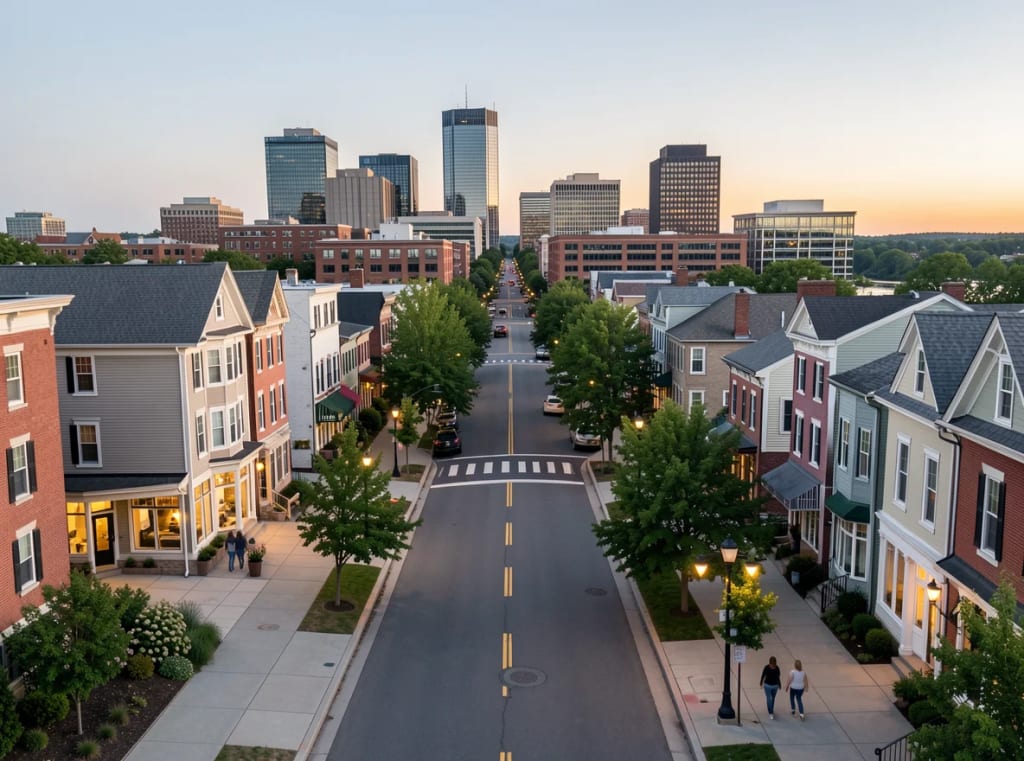
Choosing between these neighboring communities isn’t really about right or wrong. It’s about rhythm. One offers a more urban, walkable, waterfront-centered experience with historic character and a lively social pulse. The other tends to feel a bit more spread out, practical, residential, and convenience-driven, with newer housing options and easy access to everyday essentials. For buyers weighing the two, the difference often comes down to how you want your days to unfold.
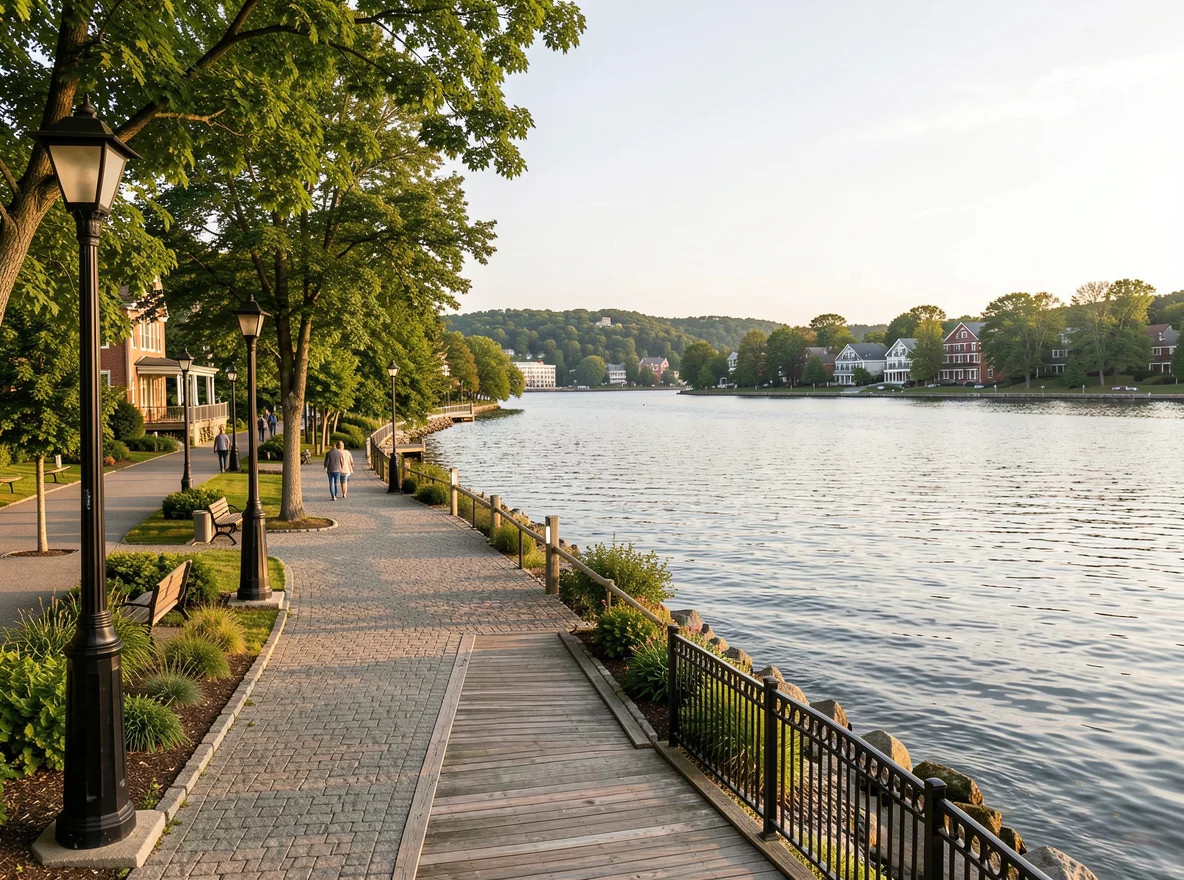
Burlington is the place many people picture first when they imagine northwestern Vermont. Its appeal is tied to Lake Champlain, hillside neighborhoods, older homes with personality, and a compact core where daily life can feel connected and energetic. Residents are drawn to the city’s mix of independent spirit, artsy atmosphere, and access to outdoor recreation. On a typical day, that may mean grabbing coffee, heading toward the waterfront trail, and ending the evening at a local gathering spot or community event. It feels layered, established, and full of little pockets of character.
South Burlington, by contrast, often wins people over with ease and balance. While it sits immediately next door, the experience is noticeably different. Streets are generally more suburban, neighborhoods often feel quieter, and the housing stock includes many newer builds, planned communities, condos, and homes on somewhat larger lots. Buyers who want proximity to Burlington without being in the center of the action frequently find this to be the sweet spot. It can feel especially appealing for households looking for convenience, commuting flexibility, and a more residential pace.
From a real estate perspective, Burlington usually attracts buyers who value charm, location, and lifestyle over sheer square footage. You’ll find classic New England architecture, historic properties, and homes where walkability and neighborhood identity matter as much as interior finishes. South Burlington often offers a different kind of value proposition: more updated layouts, attached housing options, contemporary subdivisions, and properties that may better suit buyers prioritizing storage, parking, or lower-maintenance living. Neither is automatically more desirable; they simply serve different goals.
Neighborhood Feel, Daily Convenience, and Community Character
One of the biggest distinctions comes down to how each area functions in everyday life. Burlington has a stronger sense of place block by block. Certain neighborhoods feel distinctly historic, others more student-influenced, and others more tucked-away and residential. That variety gives the city texture, but it also means buyers need to look carefully at each micro-location. Street parking, lot size, age of housing, and traffic patterns can vary widely depending on where you land.
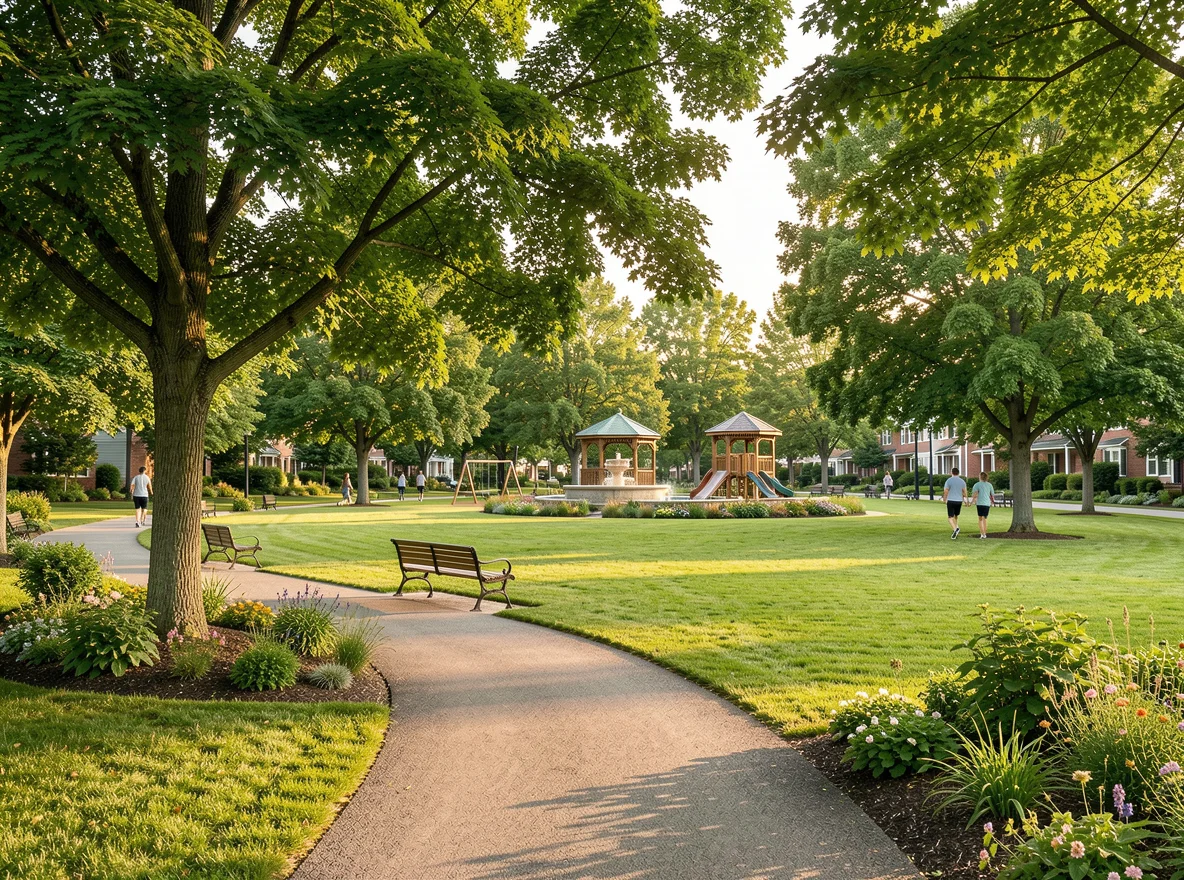
South Burlington tends to feel more consistent from one neighborhood to the next. There is still variety, of course, but many buyers appreciate the predictability: easier errands, broader roads, access to shopping and services, and neighborhoods that are designed around modern routines. For some, that translates into less friction and more breathing room. It is also a strong draw for buyers who travel often, commute, or want quick access to major routes and the airport without giving up the benefits of living in Chittenden County.
Schools are an important factor for many households comparing the two, and this is often where practical decision-making enters the picture. Both communities are well-known and well-regarded in the region, but family priorities differ. Some buyers are focused on school assignment, extracurricular access, or proximity to sports fields and community programs. Others are less school-driven and more interested in lifestyle factors like walkability, views, or investment potential. A good local agent can help match those priorities to neighborhoods rather than relying on broad assumptions.
Dining, entertainment, and local attractions also shape the comparison. Burlington generally has the edge if you want a more active social environment, easy access to cultural happenings, and that sense that something is always going on nearby. South Burlington shines in day-to-day convenience and accessibility, with many residents enjoying the ability to dip into Burlington for events while returning home to quieter surroundings. For many buyers, that split becomes the deciding factor: do you want to live inside the energy, or just minutes from it?
Outdoor Access, Housing Style, and Long-Term Fit
Both communities benefit from the same broader Vermont advantages: four-season recreation, mountain access within reach, and plenty of ways to enjoy the outdoors without planning an elaborate weekend away. Burlington offers immediate connection to the lakefront, bike paths, and scenic public spaces that feel woven into the city itself. South Burlington also delivers excellent access to trails, parks, and recreation, often with a more neighborhood-oriented feel. If outdoor life matters to you, the question is less whether you’ll have it and more how integrated you want it to be with your daily routine.
When buyers think about long-term fit, they often start seeing the tradeoffs more clearly. Burlington may be the better match for someone who values historic housing, stronger identity, and a more walkable lifestyle, even if that means accepting smaller lots, older systems, or more competition for especially desirable homes. South Burlington may be the better answer for someone seeking newer construction, practical layouts, and a residential setting that still keeps work, retail, and recreation within easy reach. Investors also tend to evaluate the areas differently, looking at rental demand, resale flexibility, and neighborhood stability through separate lenses.
That’s where local guidance becomes especially valuable. A buyer comparing these two markets isn’t just choosing between municipalities; they’re choosing between lifestyles, housing patterns, and future plans. Aras Noori of Hickok & Boardman Realty Group brings a perspective shaped by both local Vermont market knowledge and an interest in real estate investing, which can be useful whether you’re searching for a primary residence, a strategic purchase, or the best positioning for future resale. For sellers, understanding how buyers perceive Burlington versus South Burlington can also shape pricing, marketing, and timing.
In the end, the better fit depends on what home means to you. If you light up at the idea of character, walkability, and a vibrant city atmosphere near the lake, Burlington may feel instantly right. If you want a quieter residential setting with convenience, flexibility, and room to settle in, South Burlington may be the stronger choice. The good news is that both offer access to the best of the region—and with the right strategy, you can find the one that truly matches your life.